

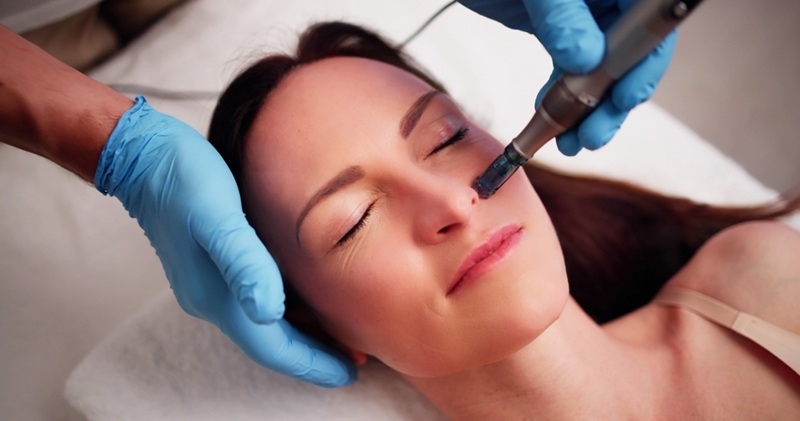
Everyone wants smoother skin, but not everyone wants to scrub their face raw trying to get there. That is where things usually go wrong. People see flakes, rough patches, or clogged-looking texture and go into full attack mode. Strong scrubs. Harsh rubbing. Too many products at once. Then the skin gets irritated, tight, and somehow looks worse. Annoying, right?
A better approach is to remove buildup without picking a fight with the skin barrier. That is one reason Korean beauty methods get so much attention. They usually focus on steady results, gentler textures, and products that work with the skin instead of bullying it. When done properly, the skin can look fresher, softer, and more even without that stripped, shiny, overdone look.
A good korean skin treatment for dull, rough skin usually starts with one simple goal: loosen and lift dead surface cells without causing unnecessary irritation. That sounds basic, but it matters a lot. Skin does not need aggression. It needs consistency.
Many Korean products designed for this step use a milder exfoliating treatment approach. Instead of rough grains or overly abrasive scrubs, they often lean on softer peeling gels, enzyme formulas, toner pads, or low-strength acids. The idea is to encourage dead skin removal while still keeping the skin calm and hydrated.
That balance is a huge part of the appeal. In a typical korean skincare routine, exfoliation is not treated like a punishment step. It is more like maintenance. Something done carefully so the skin can reflect light better, absorb products more evenly, and stop looking tired all the time.
And yes, the “glass skin” look people talk about so much? It usually starts with smoother texture. Not magic. Just better surface care.
Dead skin cells naturally shed on their own, but that process does not always move along smoothly. Stress, weather, dehydration, sun exposure, over-cleansing, and aging can all slow the turnover cycle. When that happens, the skin starts looking uneven or flat. Makeup sits oddly. Moisturizer feels like it is doing nothing. The face can seem rough even when it is technically clean.
Some common signs of buildup include:
This is where a well-chosen chemical exfoliation or peeling product can help. Instead of forcing the skin with friction, it helps dissolve or loosen the material that is sitting on top. That makes the whole process more even and, honestly, more skin-friendly for many people.
A lot of Korean exfoliating formulas are designed to feel gentle from the start. They often include soothing ingredients, hydration boosters, and textures that are less intimidating than old-school face scrubs. That matters because people are more likely to stay consistent with products that do not leave the skin feeling attacked.
A Korean-style exfoliating approach often includes:
These are popular because they feel soft and easy to use. They are massaged onto dry skin and often ball up as they work across the surface. Some of that rolling texture comes from the formula itself, of course, but they can still help make the skin feel smoother afterward.
These formulas often use low levels of AHAs, BHAs, or PHAs. They support chemical exfoliation in a more measured way and can be easier to fit into a weekly routine.
These tend to be milder and are often chosen by people who want dead skin removal without using stronger acids too often.
This gentler product design is one reason a glowing skin treatment approach in Korean beauty feels more sustainable. It is not usually about one dramatic use. It is about steady refinement.
This is where people mess up. They find something that works, then they use it too often because they want faster results. Understandable, but risky. Exfoliation can help the skin look brighter, but too much can damage the barrier and trigger redness, dryness, stinging, and breakouts.
A safer rhythm usually looks like this:
A lot of people also forget that the rest of the korean skincare routine matters. Exfoliation works better when the skin is cleansed properly, hydrated afterward, and protected with sunscreen the next day. Otherwise, the surface may improve briefly, then go right back to looking irritated or uneven.
That is why a korean skin treatment is rarely just one random product. It works best when it fits into a full routine that supports the skin before and after exfoliation.
Not every exfoliating formula suits every face. Some people do well with acids. Others prefer enzyme powders or peeling gels. Sensitive skin, in particular, usually needs a slower approach.
Here are a few ingredients often found in Korean exfoliating products:
A gentler AHA that helps refine rough texture while being a bit less intense than stronger acid options.
Often chosen for sensitive or dry skin because it exfoliates more mildly and tends to feel less aggressive.
Helpful for oily or clogged skin because it works into pores as part of an exfoliating treatment plan.
These can support surface smoothing in a softer way and may suit people who want a more gentle feel.
These are not exfoliants themselves, but they often appear in formulas to support the skin barrier and reduce post-treatment irritation.
This kind of ingredient balance is a big part of why Korean exfoliating products are often associated with a glowing skin treatment effect. They are not only removing buildup. They are also trying to keep the skin comfortable while doing it.
On a Similar Note: Top Reasons to Choose Benefit POREfessional Primer in 2025
Different skin types need different speeds. That is just the truth. Someone with oily, congestion-prone skin may tolerate acids more often. Someone with dry or reactive skin may need longer gaps between treatments and a much gentler formula.
A few quick guidelines help:
It also helps to pay attention to signs that the skin has had enough. Tightness, unusual redness, stinging with basic products, or sudden sensitivity are not signs of progress. They are warning signs.
So yes, chemical exfoliation can be effective, but it has to be matched to the skin rather than chosen just because it is trending.
Exfoliation alone will not create healthy-looking skin if everything around it is chaotic. The products used after exfoliation matter a lot.
To support smoother, calmer results, it helps to follow with:
This is where a complete korean skincare routine really earns its reputation. Korean skincare often layers hydration well, which helps the skin stay plump and calm after resurfacing steps. The face does not just look smoother. It also looks more comfortable.
That combination is what turns basic exfoliation into a more complete glowing skin treatment strategy rather than just a rough-texture fix.
People often expect dead skin to vanish overnight. Then they get impatient and start doing too much. More acid, more rubbing, more masks, more steps. Not ideal.
A few common mistakes include:
Fast dead skin removal is possible, but fast should not mean reckless. Skin usually responds better to a controlled routine than to panic-level product stacking.
Read More: 7 Best Compact Powder for Oily Skin That Lasts All Day Long
The real strength of Korean exfoliating care is not that it removes dead skin in one shocking step. It is that it encourages smoother, brighter skin without making the face feel punished in the process.
That matters. Especially for people who have spent years bouncing between harsh scrubs and disappointing results.
A thoughtful korean skin treatment can absolutely help skin look fresher and smoother faster, but the best results usually come from gentle repetition, not intensity. The right formula, the right frequency, and enough hydration afterward. That is the combo that tends to work.
So if the goal is clearer texture, softer skin, and a brighter look, starting with a calm, well-formulated exfoliating treatment may be the smarter move. Less drama. Better skin.
Yes, but they need a little more caution during hot and sunny months. Skin can become more reactive when it is exposed to heat, sweat, and UV rays, especially after exfoliation. If someone uses peeling gels or acids in summer, they should keep the routine simple and use sunscreen very consistently. It also helps to avoid over-exfoliating before long outdoor days or beach trips.
Usually before. Exfoliating first can help remove dull surface buildup so the sheet mask sits better and hydrating ingredients reach the skin more evenly. Doing it the other way around can be less effective because the mask is being applied over rough texture that is still blocking the surface. Still, the skin should be calm, not irritated, before layering extra products afterward.
They can, but only if the formula and frequency match the skin’s actual needs. Teen skin often deals with oiliness and congestion, yet it can still become irritated easily if too many active products are introduced too quickly. A mild exfoliating option once a week is often enough at first. Stronger acids or daily exfoliation are usually unnecessary unless guided carefully by a skincare professional.
This content was created by AI